India is home to some of the finest teas in the world, and two names stand out above the rest — Darjeeling tea and Assam tea. Both are black teas, but they could not be more different in taste, strength, and how you should drink them.
If you have ever stood in the tea aisle wondering which one to pick, or if someone recommended Darjeeling and you had no idea how it differs from your regular Assam chai, this guide will clear the confusion once and for all. We compare Darjeeling and Assam tea across every dimension that matters — from origin and flavour to caffeine, health benefits, and the best way to brew each one.
Where Do These Teas Come From?
Assam tea grows in the lowlands of Assam, a state in northeastern India. It is the largest tea-producing region in the world, accounting for over half of India’s total tea production. The hot, humid climate, combined with mineral-rich soil from the Brahmaputra River, gives the tea its bold, malty character. Assam tea is primarily produced using the CTC method, which creates small, granular leaves that brew strong and fast. This is the tea that forms the base of most masala chai across India.
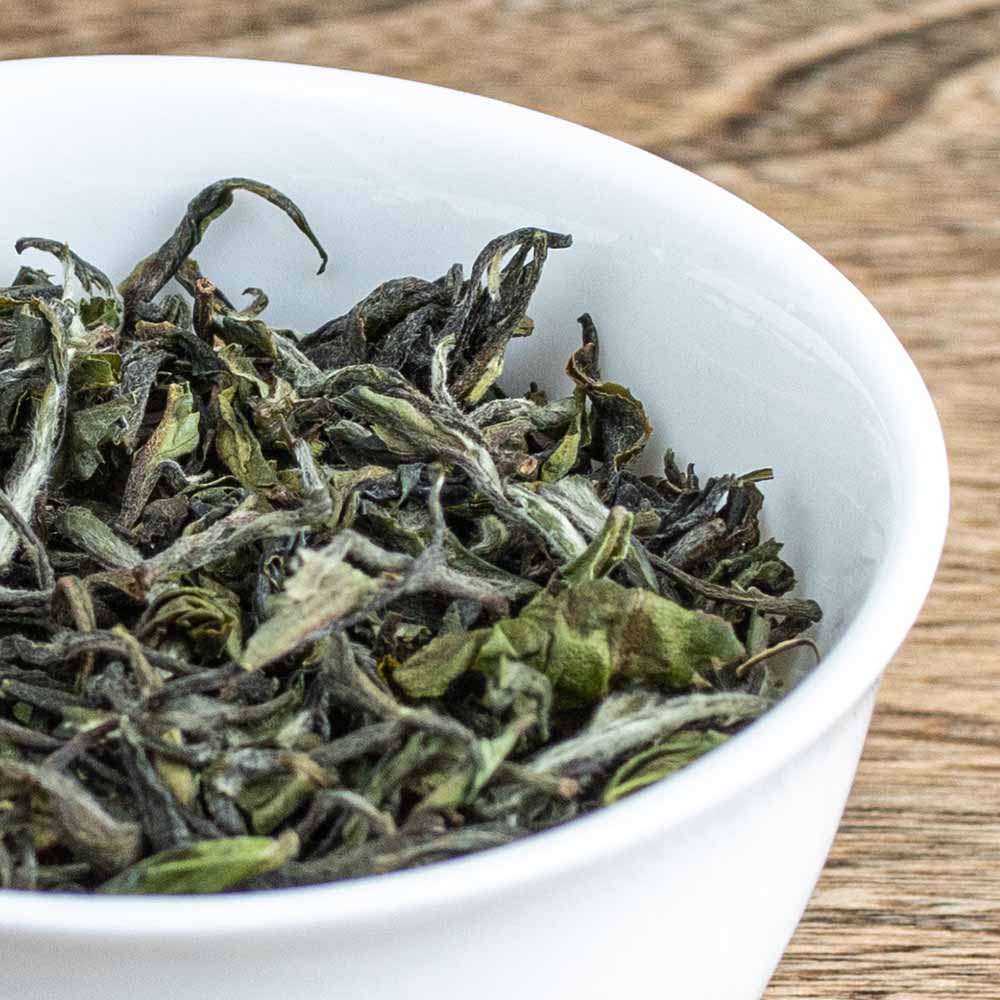
Darjeeling tea is grown in the mountainous region of Darjeeling in West Bengal, at elevations of 600 to 2,000 metres above sea level. The cool, misty climate and high altitude produce a delicate, floral tea with complex flavour notes that change depending on when the leaves are harvested. Darjeeling tea is made using the orthodox method, which preserves the whole leaf structure and results in a more nuanced, refined cup. Only about 10 million kg of Darjeeling tea is produced each year, compared to over 600 million kg from Assam — which is why genuine Darjeeling commands a premium price.
Taste and Flavour Profile
Assam tea is strong, robust, and malty. It has a deep amber colour when brewed and can stand up to milk and sugar without losing its character. It is the base for most Indian masala chai because its bold flavour holds its own against strong spices. The taste is often described as “malty, brisk, and full-bodied.” If you like your chai strong enough to wake you up and fill your mouth with warmth, Assam is your tea.
Darjeeling tea is lighter, more floral, and sometimes described as the ‘Champagne of teas.’ It has a muscatel flavour — a unique grape-like note — that is delicate and complex. Darjeeling tea is best enjoyed without milk so you can appreciate its subtle flavours. Adding milk to a fine Darjeeling is like putting ketchup on a perfectly cooked steak — you are masking the very thing that makes it special.
Darjeeling tea comes in four flushes (harvests), each with a different character:
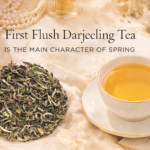
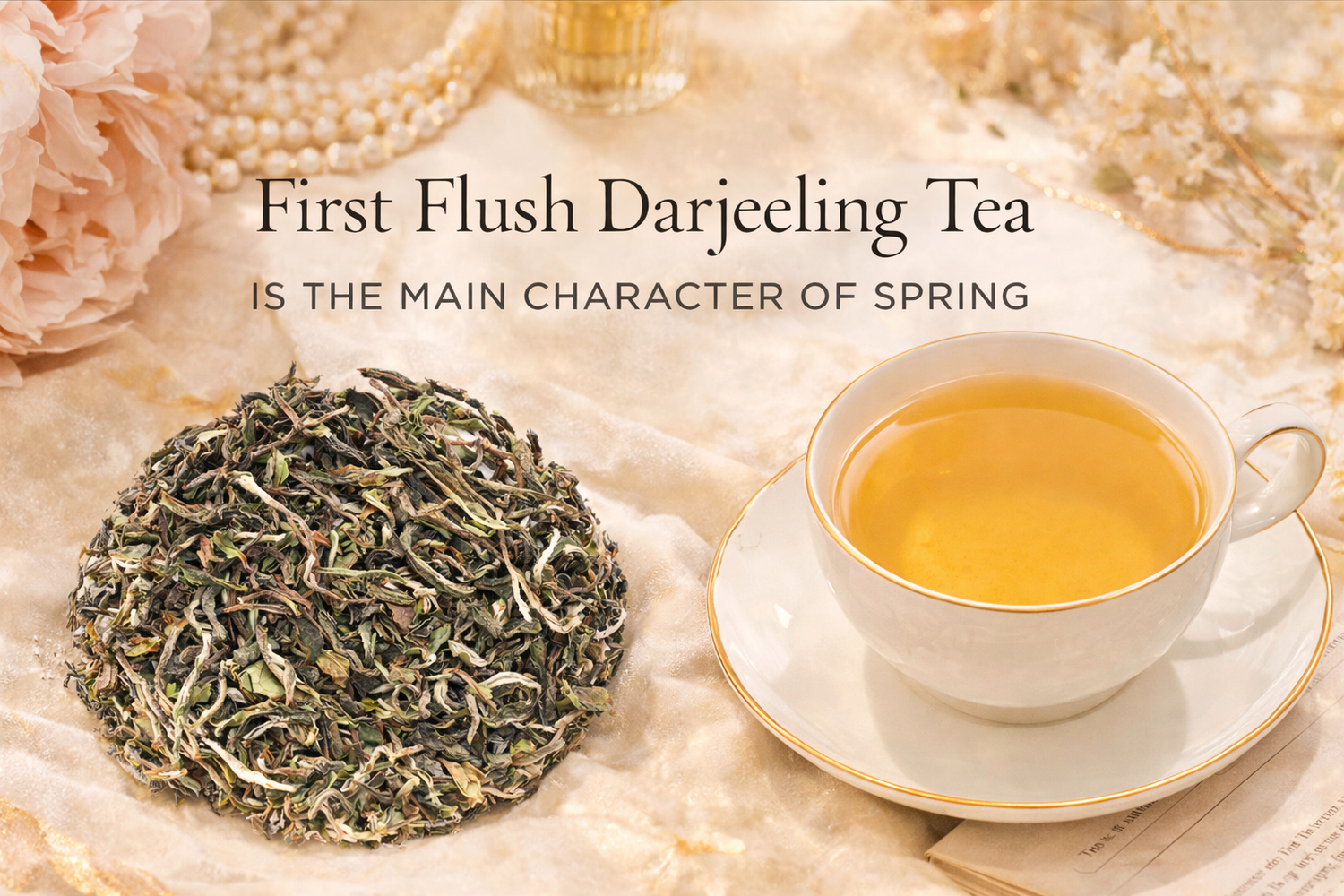
- First Flush (March-April): Light, floral, and slightly astringent — the most prized and expensive. The liquor is pale golden with a delicate aroma.
- Second Flush (May-June): Fuller body with the signature muscatel flavour. This is what most people think of when they think of classic Darjeeling.
- Monsoon Flush (July-August): Stronger, less delicate, more affordable. Good for everyday drinking but lacks the complexity of the earlier flushes.
- Autumn Flush (October-November): Rich, coppery, and smooth. A good balance between strength and subtlety.
Caffeine Content: Which Is Stronger?
Assam tea generally has higher caffeine than Darjeeling — approximately 40-60 mg per cup compared to Darjeeling’s 30-50 mg. If you need a strong morning kick, go with Assam. If you want something lighter for the afternoon that will not disrupt your focus or sleep, Darjeeling is your pick.
| Factor | Assam Tea | Darjeeling Tea |
|---|---|---|
| Caffeine per cup | 40-60 mg | 30-50 mg |
| Body | Full, robust | Light, delicate |
| Best time to drink | Morning / early afternoon | Afternoon / evening |
| With milk? | Yes — ideal for chai | No — enjoy it plain |
| Price range | Affordable to mid-range | Mid-range to premium |
| Production method | CTC (granular) | Orthodox (whole leaf) |
Health Benefits Comparison
Both teas are rich in antioxidants and offer similar health benefits — improved heart health, better digestion, and boosted immunity. The main differences are in concentration and how they make you feel:
- Assam tea has higher levels of theaflavins (due to the CTC process), which are linked to cholesterol reduction and metabolism boost. If your primary health goal is cardiovascular support or weight management, Assam has a slight edge.
- Darjeeling tea retains more catechins (due to orthodox processing), which are powerful anti-ageing and anti-inflammatory compounds. If you are focused on skin health, anti-ageing, or reducing inflammation, Darjeeling is the better choice.
Both contain L-theanine, which promotes calm alertness and reduces stress. Neither is significantly “healthier” than the other — it depends on what your body needs and what goals you are working toward.
Which One Should You Choose?
- Choose Assam tea if: You like strong chai with milk, need a caffeine boost in the morning, want a tea for masala chai, prefer a bold, malty flavour, or want a more affordable everyday tea
- Choose Darjeeling tea if: You prefer light, aromatic tea, want something for afternoon sipping, enjoy tea without milk, appreciate complex and nuanced flavours, or are looking for a special-occasion tea
Why Not Both?
The beauty of Indian tea is that you do not have to choose just one. Many tea lovers keep both in their kitchen and match the tea to the time of day and mood:
- Morning: Assam tea with milk and a light breakfast — the caffeine and strength get your day going. This is your fuel.
- Afternoon: Darjeeling tea, plain, with a light snack — the delicate flavours refresh without overstimulating. This is your pause.
This is the way most tea connoisseurs in India actually drink their tea. It is not about loyalty to one type — it is about understanding what your body needs at different times and choosing accordingly.
Shop both varieties at Chaiolic — fresh from the gardens, packed to order, and delivered to your door. Whether you are team Assam, team Darjeeling, or both, you will find freshly sourced options here that taste the way tea is supposed to taste.
Are you team Assam or team Darjeeling? Let us know your preference in the comments below — and if you have a favourite flush, we want to hear about that too.